
Many Japanese tea ceremony enthusiasts mention “calming” and “relaxing” as the reason why they enjoy Japanese tea ceremony. From the moment you step into the tearoom, the simple and quiet atmosphere, offering the beauty of Wabi-Sabi, makes you forget your busy days.
Wabi-Sabi refers to the Japanese aesthetic sensibility to find beauty within simplicity and imperfection. It is a unique concept that is very important in order to understand the Japanese people, their way of life and culture. The concept Wabi-Sabi is closely related to the Japanese tea ceremony.
The distinctive atmosphere of the Japanese tearoom defers greatly from the nicely decorated Western style room. What is so different about the Japanese tearoom? The simple use of color plays an important role in creating the unique atmosphere in the Japanese tearoom. Imagine the tearoom colorfully decorated, it may get you excited but not relaxed.
The Japanese are often considered sensitive and the sensitivity is essential for the Japanese color sensibility. The sophisticated nuances represented in the colors, such as Nezumi-iro (mouse color) or Yamabuki-iro (Japanese globeflower color), are fairly unique to Japan. So how have the Japanese traditional colors been developed?
Green is Blue and Blue is Green? The Sloppy Color Sensibility
The Japanese are often considered sensitive and the sensitivity is essential for the Japanese color sensibility. The sophisticated nuances represented in the colors, such as Nezumi-iro (mouse color) or Yamabuki-iro (Japanese globeflower color), are fairly unique to Japan. So how have the Japanese traditional colors been developed?
In the ancient Japan, the concept of color was said to be very vague, consisting of only black, white, red and blue. It was in Nara period (710 to 794) when the notion of five colors (blue, red, yellow, white and black) took a firm root in Japan due to the introduction of the Five Element Theory along with the dyeing technology.
Now, you may notice that green is missing. One of the primary colors essential for painting did not even have a name in the ancient Japan. Here rises the question: what was green called? It is easy if you consider what the Japanese call the green traffic light. They call it blue although it clearly is green. Ever wondered why? It is simply a trace of the ancient Japanese color sensibility.
Marvelous Development from the Four Colors.
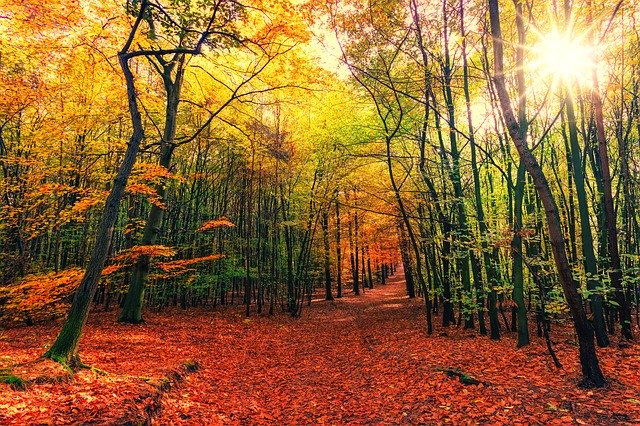
The vague concept of the Japanese color sensibility gradually developed in the Heian period (794 to 1185), influenced by the distinctive sceneries through the four seasons and the rich nature.
Through the Japanization of the color sensibility, the use of bold colors dominant during the Nara period was replaced with the more pale and tint colors. More than a thousand colors have been created through time and many of them are named after animals and plants. This symbolizes the Japanese long history of coexistence with nature.
Take a moment to think about the French traditional colors. Many French traditional colors including Chocolat and Versailles are named after their unique arts and culture. This symbolizes the refined elegance that the French nobles in the Medieval Europe pursued.
The Ultimate Form of the Traditional Japanese Color: Kasane Irome
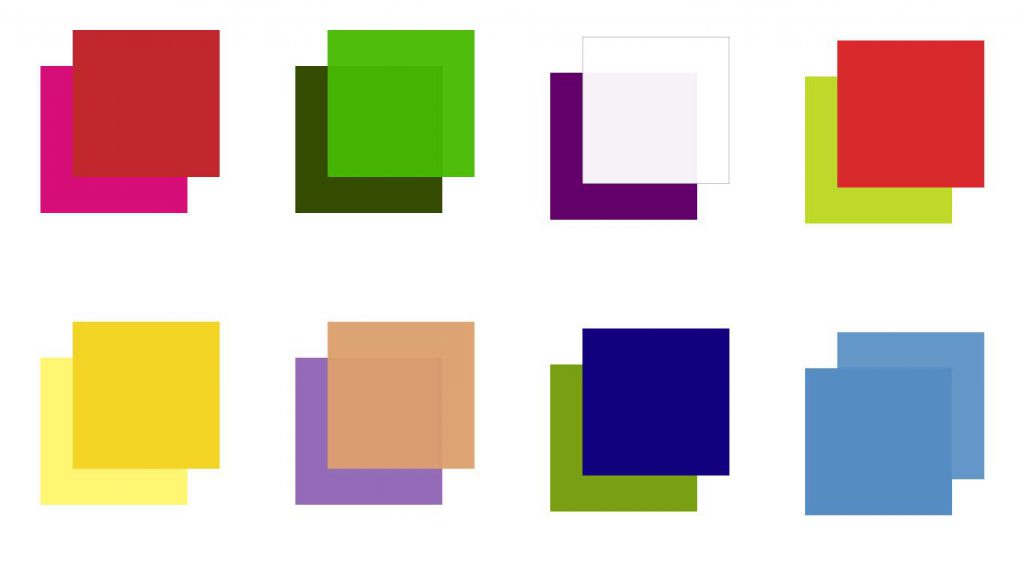
The sensitive Japanese color sensibility is best shown in Kasane Irome. It does not refer to a single color, but to a color scheme, combining several colors.
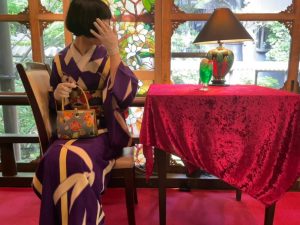
Kasane Irome has two patterns. One is to make the mixed color of the first and second layer by letting the color of the second layer see through the first layer. This technique is used for example in Awase Kimono (kimono worn anytime except for summer). The other is to have each different-colored layer displaced from the previous. This technique is used for example in Jyuni-Hitoe (twelve-layered kimono).
Each color scheme made by either of these techniques has a name that gives a sense of the season such as Sakura (cherry blossom) and Ochiguri-iro (falling chestnuts color). Noble women during the Heian period enjoyed seasonal colorful kimono.
Wabi-Sabi Colors Developed in the Japanese Tearoom
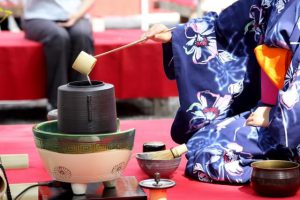
The Japanese tea ceremony is closely related to the Japanese traditional colors. The seasonal traditional colors are used in the tea utensils and the Japanese sweets served with Matcha tea. The colors used in the tearoom are simple and tint, making the most out of the raw materials and thereby demonstrating the unique Japanese color sensibility.
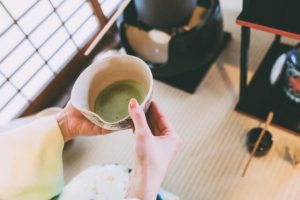
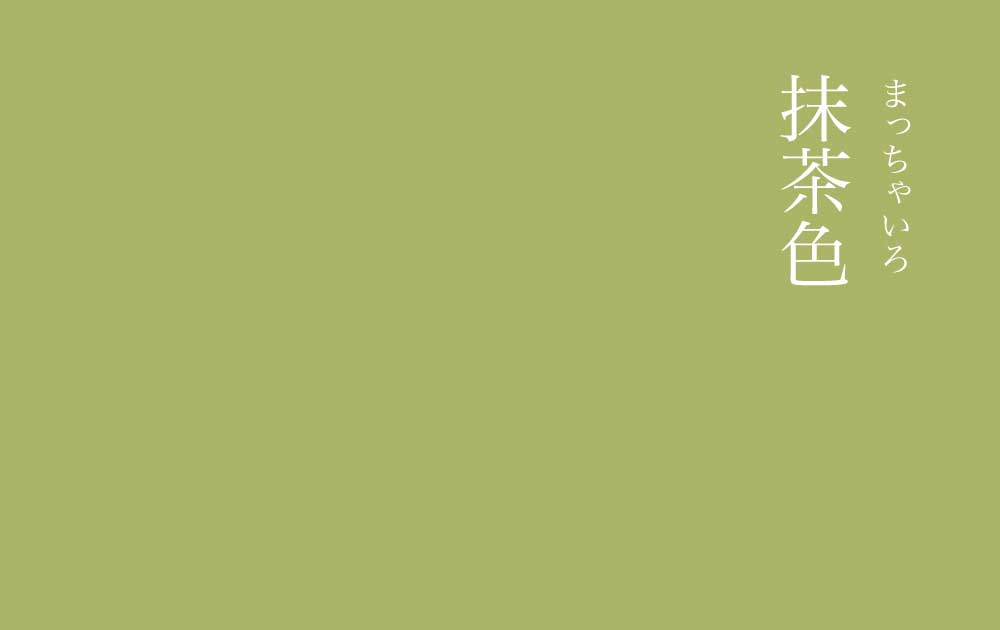
There are several traditional colors born in the tearoom. These colors are quite rare, considering that most of the Japanese traditional colors derive from the depiction of animals and plants. The most well known color from the tearoom is Matcha color. Matcha color was established in the Edo period (1603 to 1867) when the tea ceremony became popular.
There are also some colors named after the leading figure of the Japanese tea ceremony, Sen no Rikyu. The greenish light brown Rikyu Cha, its lighter version Rikyu Hakucha, and the greenish grey Rikyu Nezumi are all examples of this. All of these colors show a sense of Wabi-Sabi in their reserved nature.
Let’s Enjoy the Japanese Traditional Colors!

The majority of Japanese may not have as many opportunities to wear seasonal Kimono as the noble ladies in the Heian period. However, the Japanese traditional colors are used in many places even today.
When joining the Japanese tea ceremony, pay attention to the colors used in the room, seasonal utensils, and sweets. Look around and try to find the Japanese traditional colors in Japan. Thinking about the history and meaning of each traditional color gives you an opportunity to enjoy and learn about Japan from a different perspective.